Understanding Mattress Allergens
Discover the common allergens found in mattresses and learn how proper care and hypoallergenic materials can create a healthier sleep environment.
Dust Mites
What Are Dust Mites?
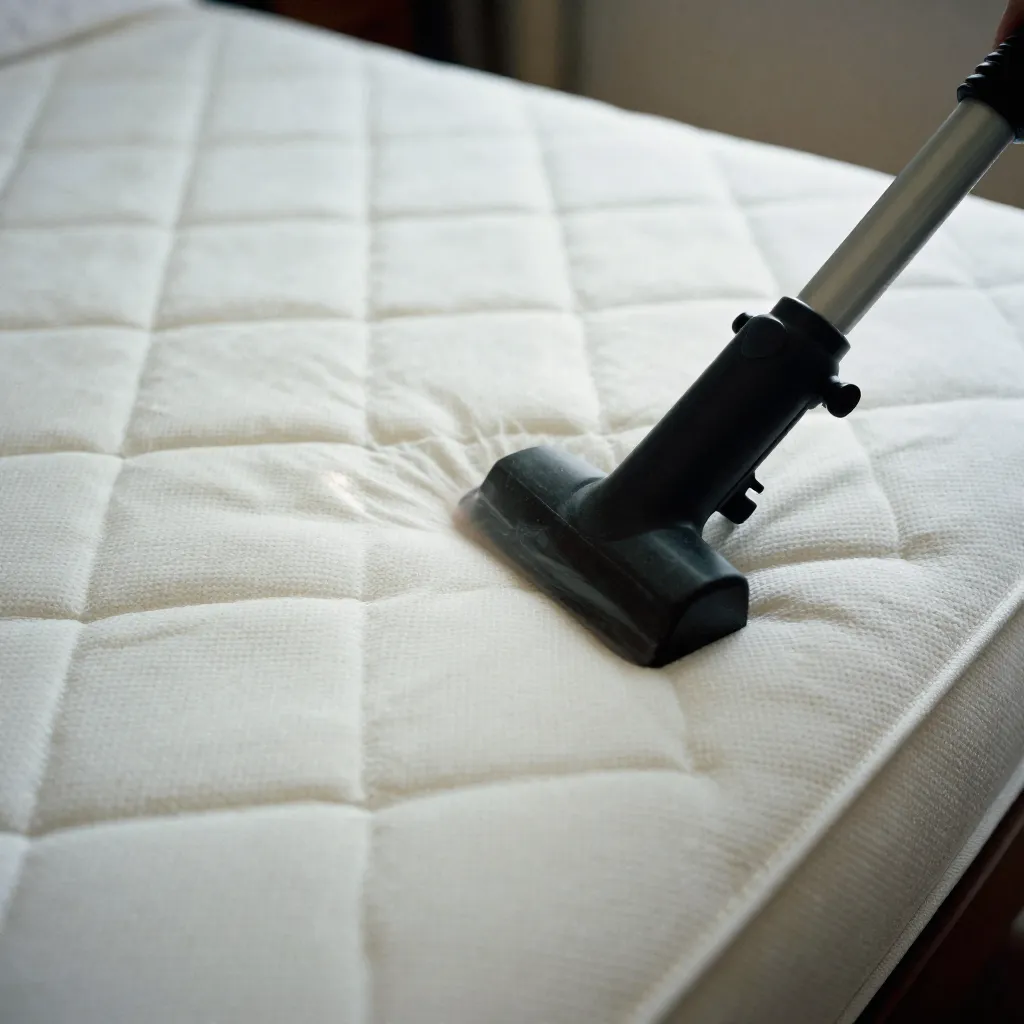
Dust mites are microscopic arachnids that thrive in warm, humid environments. They feed on dead skin cells and are one of the most common allergens found in mattresses and bedding.
Why They're Problematic
Dust mite waste particles and body fragments can trigger allergic reactions and asthma symptoms in sensitive individuals. These particles are lightweight and easily become airborne when disturbed.
-
Habitat: Prefer temperatures of 68-77°F and humidity levels above 50%
-
Population: A typical mattress can contain thousands to millions of dust mites
-
Lifespan: Adult dust mites live 2-3 months and produce significant waste during their lifetime
Mold
Mold Growth in Mattresses
Mold can develop in mattresses when moisture accumulates due to spills, high humidity, or inadequate ventilation. Mold spores can cause respiratory issues and allergic reactions.
Prevention Strategies
-
Control Humidity: Maintain bedroom humidity below 50% using dehumidifiers or air conditioning
-
Ensure Ventilation: Allow air circulation around and beneath the mattress
-
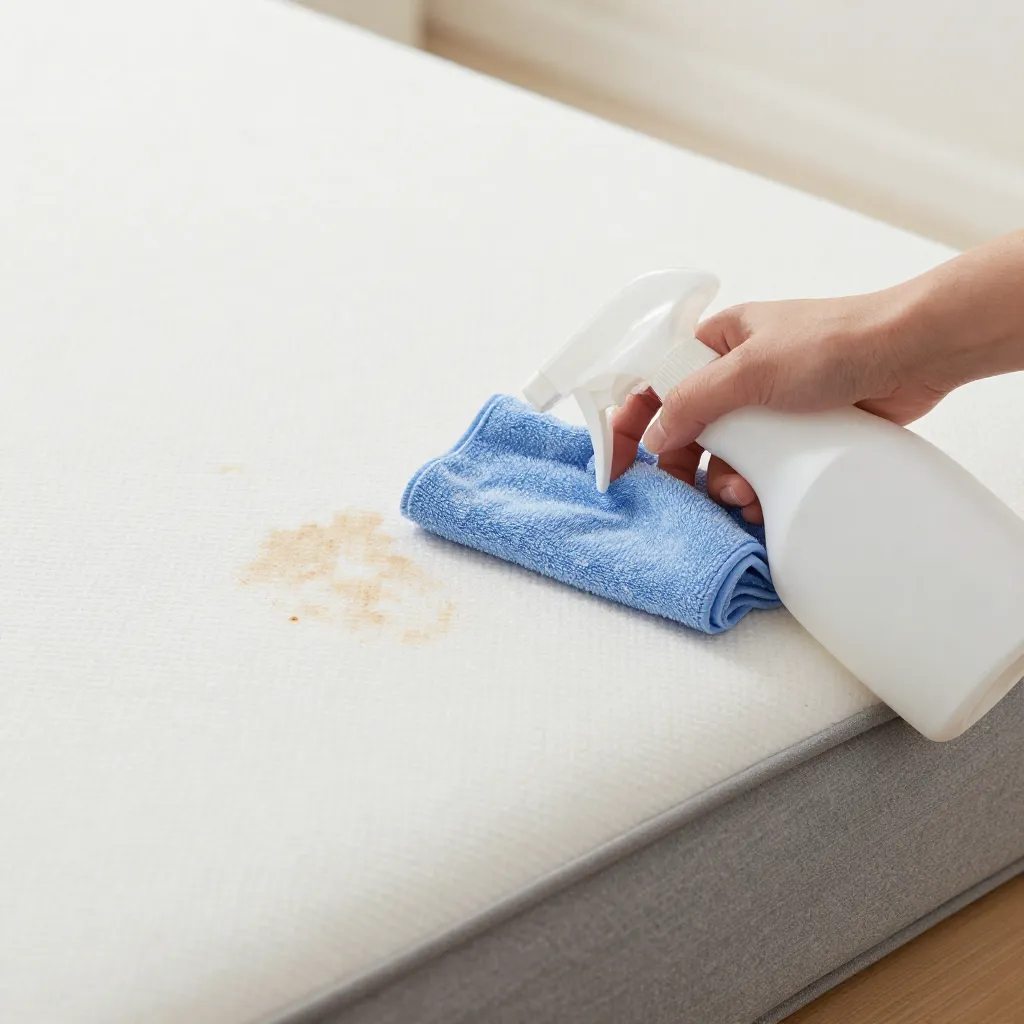
Address Spills Immediately: Clean and dry any moisture on the mattress surface promptly
-
Use Breathable Materials: Choose mattress covers and protectors that allow moisture to escape
Pollen
How Pollen Enters Mattresses
Pollen particles can enter your bedroom through open windows, on clothing, or through air circulation systems. These particles settle on bedding and mattresses, potentially causing seasonal allergic reactions.
Reducing Pollen Exposure
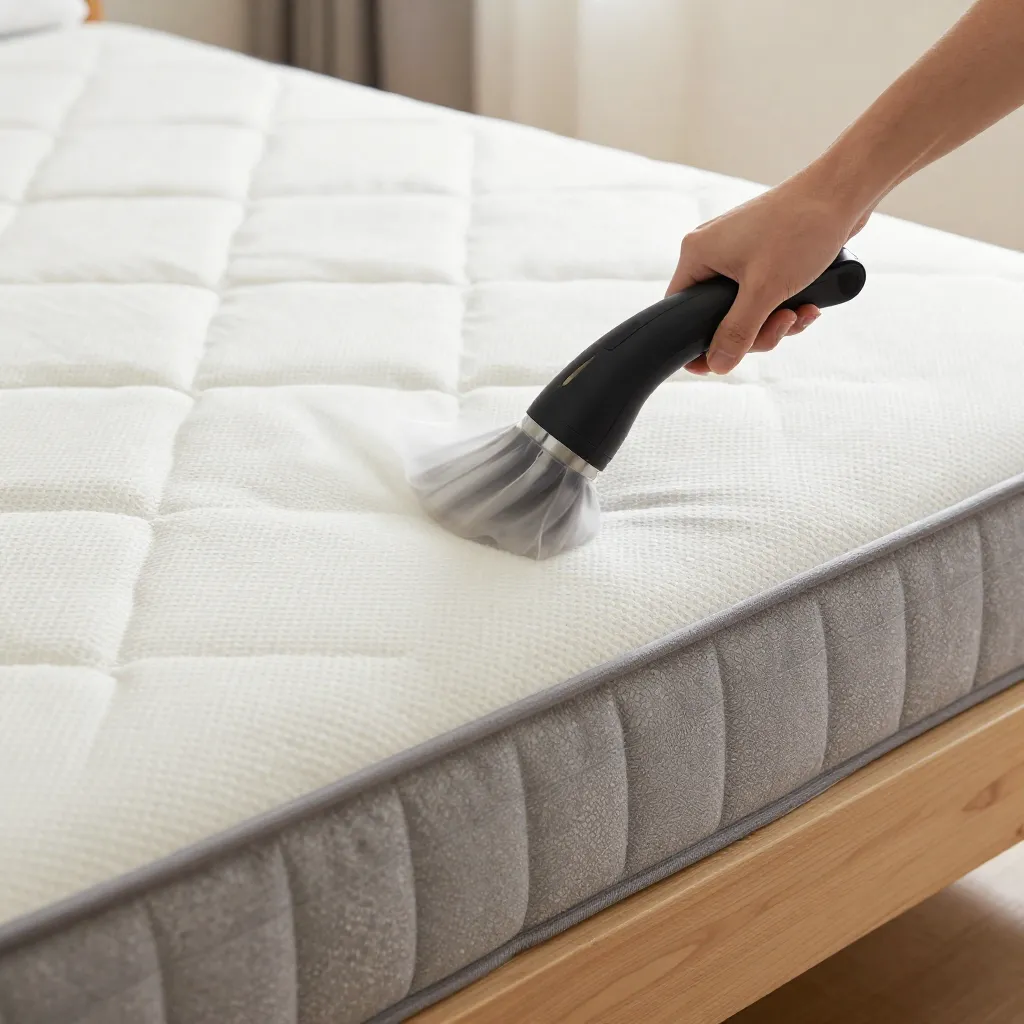
Use air purifiers with HEPA filters, keep windows closed during high pollen seasons, and regularly vacuum and wash bedding to remove accumulated pollen particles.
Symptoms of Allergen Exposure
Respiratory Symptoms
Sneezing, nasal congestion, runny nose, coughing, wheezing, and difficulty breathing can indicate exposure to mattress allergens.
Eye Irritation
Watery, itchy, or red eyes upon waking may suggest allergen exposure during sleep.
Sleep Disruption
Frequent waking, restlessness, or feeling unrefreshed after sleep can be related to allergen exposure.
How Hypoallergenic Mattresses Reduce Risk
Material Properties
Hypoallergenic mattresses are designed with materials that naturally resist dust mites, mold, and allergens. These materials create an inhospitable environment for common allergens.
-
Natural Fibers: Materials like organic cotton, wool, and latex naturally resist dust mites and mold
-
Breathable Construction: Open-cell structures allow air circulation, reducing moisture buildup
-
Dense Materials: Tightly woven fabrics prevent allergen penetration while maintaining comfort
-
Easy to Clean: Smooth surfaces and removable covers facilitate regular maintenance
Recommended Cleaning Frequency
Weekly Maintenance
-
Light vacuuming of mattress surface
-
Wash all bedding in hot water (130°F+)
-
Air out mattress for 30-60 minutes
Monthly Tasks
-
Thorough vacuuming with HEPA filter
-
Inspect and clean mattress covers
-
Check humidity levels and adjust as needed
Quarterly Deep Cleaning
-
Steam cleaning or professional cleaning
-
Rotate and flip mattress (if applicable)
-
Replace or refresh protective covers
-
Comprehensive inspection for signs of allergens
Seasonal Considerations
Increase cleaning frequency during high pollen seasons, humid summer months, or if you notice increased allergy symptoms. Adjust your routine based on your specific sensitivities and local environmental conditions.