Hypoallergenic Mattress Cleaning Methods
Master proven techniques for keeping your mattress clean, fresh, and allergen-free using safe, effective methods.
Dry Vacuuming Tips

-
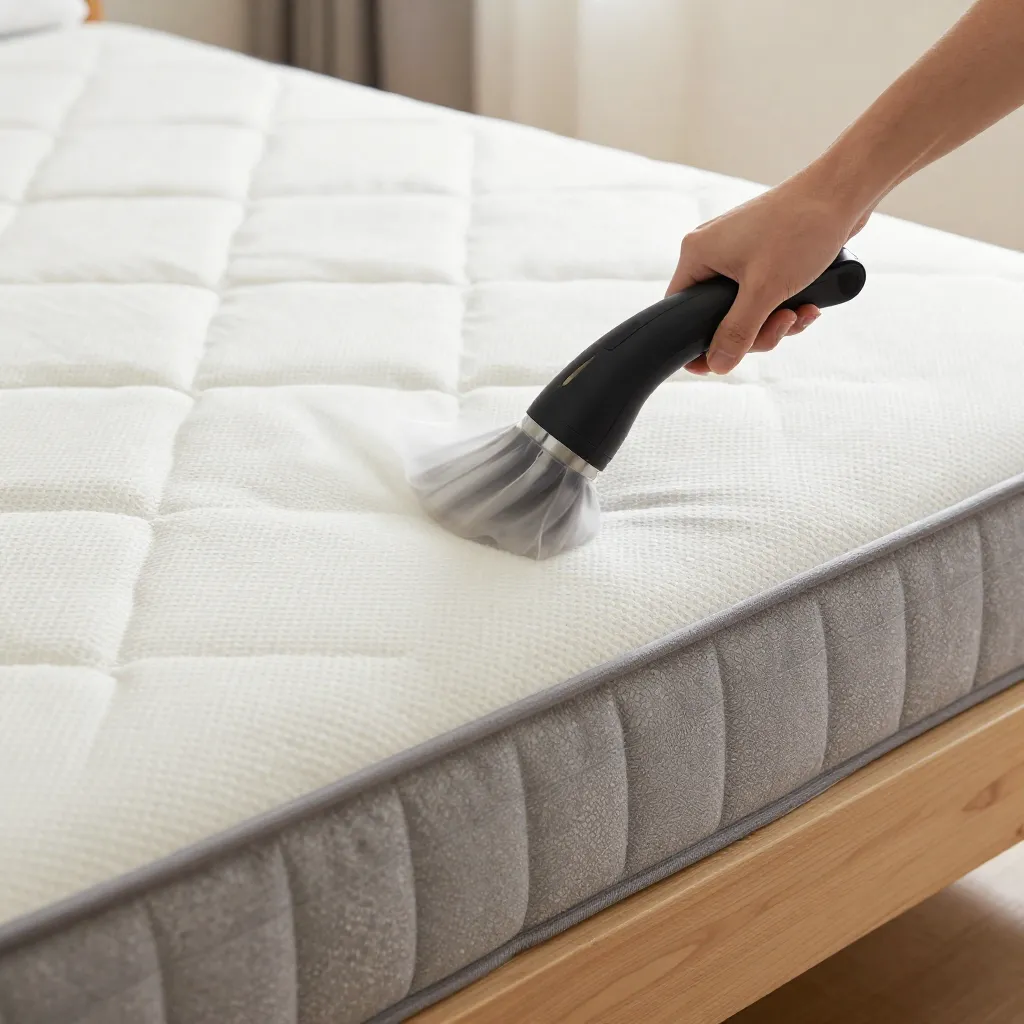
Use HEPA Filter Vacuum: Choose a vacuum cleaner with a HEPA filter to effectively trap dust mites, allergens, and particles without releasing them back into the air.
-
Work in Sections: Divide your mattress into sections and vacuum each area thoroughly, moving slowly to allow the vacuum to pick up embedded debris.
-
Focus on Seams and Edges: Pay special attention to seams, edges, and tufted areas where dust mites and allergens tend to accumulate.
-
Regular Schedule: Vacuum your mattress at least once every two weeks, or weekly if you have allergies or respiratory sensitivities.
Steam Cleaning with Hypoallergenic Methods
-
High-Temperature Steam: Use a steam cleaner that reaches at least 130°F (54°C) to effectively kill dust mites and bacteria without harsh chemicals.
-
Maintain Proper Distance: Hold the steam cleaner 6-8 inches from the mattress surface to avoid saturating the fabric while ensuring effective cleaning.
-
Allow Complete Drying: After steam cleaning, ensure the mattress dries completely (24-48 hours) before replacing bedding to prevent mold growth.
-
Ventilation is Key: Open windows and use fans to promote air circulation during and after steam cleaning for optimal results.
Eco-Friendly Spray Solutions
Baking Soda Solution
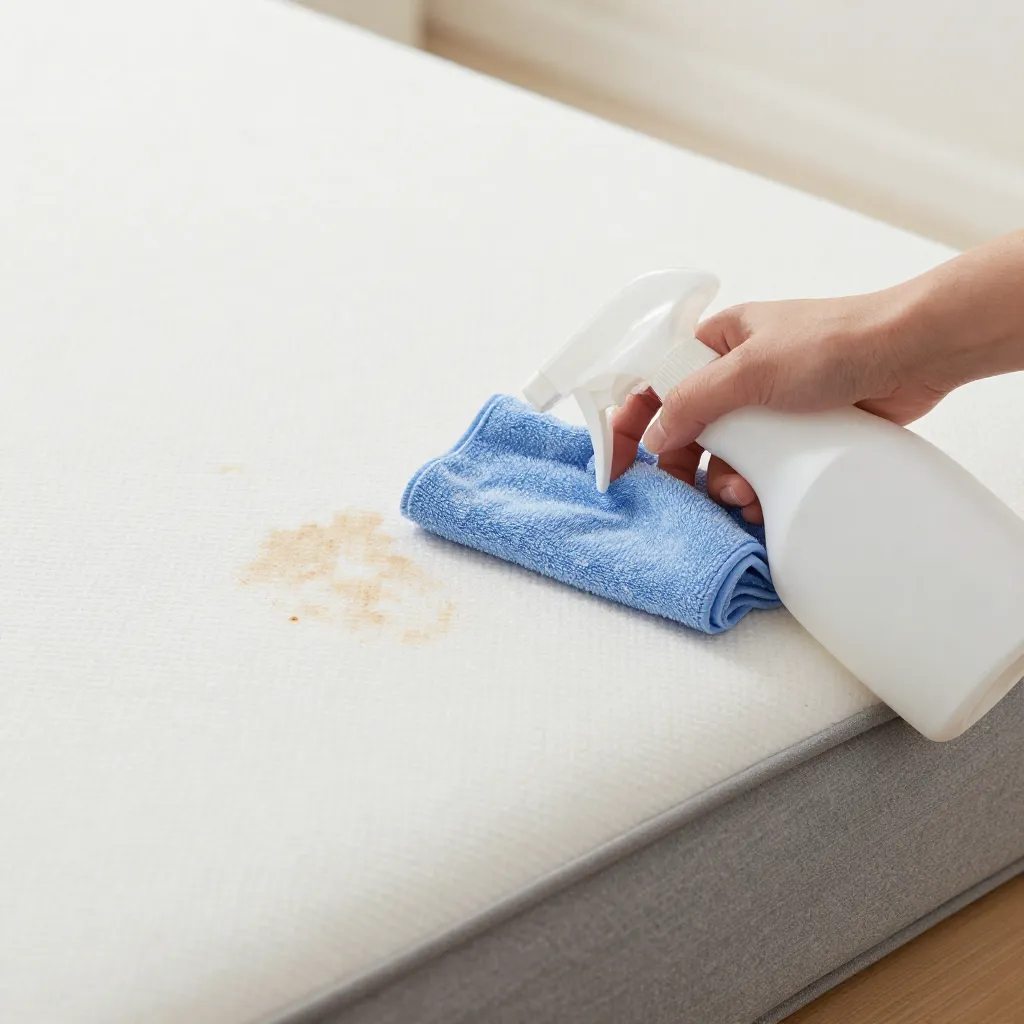
Mix baking soda with a few drops of essential oils (lavender or tea tree). Sprinkle evenly, let sit for several hours, then vacuum thoroughly. This natural method helps neutralize odors and absorb moisture.
White Vinegar Spray
Create a solution of equal parts white vinegar and water. Lightly mist the mattress surface, allow to air dry completely. Vinegar naturally disinfects and deodorizes without leaving harmful residues.
Essential Oil Blend
Combine water with a few drops of eucalyptus or tea tree essential oil. These oils have natural antimicrobial properties and can help repel dust mites when used regularly.
Rotating & Flipping Techniques
-
Quarterly Rotation: Rotate your mattress 180 degrees every three months to ensure even wear and prevent sagging in specific areas.
-
Flip When Applicable: If your mattress is double-sided, flip it every six months in addition to rotating to maintain optimal support and comfort.
-
Clean Before Rotating: Always vacuum and clean the mattress surface before rotating or flipping to prevent transferring debris to the other side.
-
Check Manufacturer Guidelines: Some modern mattresses are designed to be one-sided only. Consult your mattress manual for specific rotation recommendations.
Dust-Mite Removal Procedures
Understanding Dust Mite Habitats
Dust mites thrive in warm, humid environments and feed on dead skin cells. They typically accumulate in mattress layers, particularly in areas with less airflow. Regular cleaning and maintenance are essential for control.
Effective Removal Steps
-
Wash Bedding Weekly: Launder all bedding, including sheets, pillowcases, and mattress covers, in hot water (130°F or higher) to kill dust mites.
-
Use Allergen-Proof Covers: Encase your mattress and pillows in hypoallergenic, dust-mite-proof covers that create a barrier while remaining breathable.
-
Maintain Low Humidity: Keep bedroom humidity below 50% using a dehumidifier to create an environment less favorable for dust mites.
-
Regular Deep Cleaning: Combine vacuuming, steam cleaning, and natural sprays in a comprehensive cleaning routine every 3-6 months.
